Commercial floors in high-traffic environments require ongoing maintenance to preserve safety, appearance, and durability. Without proper care, surfaces can become worn, slippery, and costly to repair, impacting first impressions and increasing facility risk.
Why Floor Maintenance Matters for Commercial Facilities
Floors experience constant activity from staff, customers, and equipment. Reliability improves when ongoing work is managed by experienced commercial floor maintenance specialists who align treatment frequency with use levels and facility conditions. Routine maintenance helps reduce breakdown risk and can extend the floor’s lifecycle.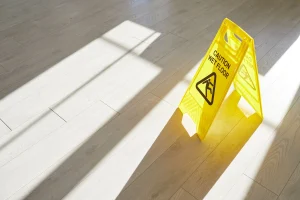
What Commercial Floor Care Typically Includes
A professional floor maintenance program may involve:
- Machine scrubbing to remove buildup
- Stripping and waxing for vinyl composite tile (VCT) care
- Floor polishing to improve overall finish
- Refinishing using coating layers for surface protection
- Scheduled maintenance aimed at lifecycle extension and slip resistance
How to Choose the Right Floor Maintenance Provider in Winnipeg
A qualified provider understands the impact of heavy traffic, movement of equipment, and surface vulnerability. When comparing floor care companies, consider:
- Experience with commercial environments
- Use of professional-grade machines for burnishing or refinishing
- Knowledge of coating materials, abrasion resistance, and restoration processes
- Capability to deliver scheduled maintenance over reactive treatments
Matching Service Levels to Foot Traffic and Industry Use
Industries such as healthcare often prioritize slip-resistant finishing and disinfection. Retail properties typically require frequent polishing to maintain visual presentation, while industrial sites may use epoxy surface protection for durability. Office environments benefit from stripping and sealing cycles or surface conditioning to manage consistent foot movement.
Scheduling Considerations and Minimizing Business Disruption
Optimizing service schedules ensures work is completed outside operating hours or during low-traffic periods. Many providers use rapid-dry floor treatments to reduce downtime and preserve accessibility for next-day business use.
How Floor Type, Traffic Level, and Industry Influence Maintenance Strategy
Different floor types require specific treatment techniques. Vinyl composite tile may require periodic stripping and sealing, while polished concrete benefits from floor burnishing to maintain surface quality. Tile installations often need grout detailing, and surfaces in industrial facilities require heavy-duty refinishing or coating solutions. Matching service frequency to wear levels helps prevent long-term damage and supports performance standards.
Common Issues Caused by Delayed or Inadequate Floor Maintenance
When maintenance is delayed or handled using incorrect methods, issues often include:
- Surface dulling or increased visible wear
- Unsafe flooring due to reduced slip resistance
- Poor adhesion during refinishing caused by surface contamination
- Corrective repair required instead of scheduled treatment cycles
Proactive maintenance helps prevent disruption and supports long-term facility control.
Questions to Ask Before Hiring a Floor Maintenance Team
- What commercial floor types do you service most often?
- How do you control dust or buildup before refinishing?
- Can maintenance be scheduled outside active business hours?
- What strategies do you use to maximize surface longevity?
- How do you handle high-traffic or heavy equipment zones?
Final Steps to Secure Reliable Floor Care Service
Choose a contractor with proven commercial experience that supports material requirements, traffic expectations, and maintenance objectives. Tailored floor care plans reduce lifecycle cost and improve long-term performance. To discuss maintenance scope and schedule suitability, you can request a floor care service quote directly.