Kitchen exhaust cleaning is not just a cleanliness issue for restaurants, it is a fire safety and compliance requirement. Grease buildup inside hoods, ducts, and exhaust fans increases fire risk, restricts airflow, and can lead to failed inspections. Winnipeg restaurants must follow proper cleaning intervals based on grease output, cooking volume, and inspection standards to remain compliant.
The correct cleaning frequency depends on how much grease a kitchen produces, how often equipment is used, and what standards inspectors expect to see.
Why Kitchen Exhaust Cleaning Frequency Matters for Winnipeg Restaurants
Restaurant kitchens generate grease every day, even when surfaces look clean. Over time, that grease accumulates inside exhaust systems where it cannot be seen during daily wipe downs.
In Winnipeg, failure to maintain kitchen exhaust systems can lead to: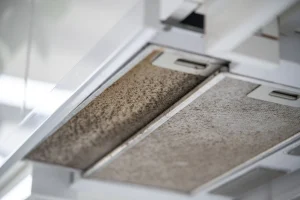
• Increased fire risk from grease ignition
• Poor airflow and heat buildup in kitchens
• Failed fire or health inspections
• Insurance issues following an incident
Following a documented restaurant hood cleaning Winnipeg schedule helps reduce fire risk and keeps restaurants aligned with inspection and insurance expectations.
How Grease Buildup Affects Fire Risk and Airflow
Grease vapours from cooking are pulled into the exhaust hood and travel through ducts to the exhaust fan. As vapours cool, grease deposits stick to metal surfaces throughout the system.
As buildup increases:
• Airflow becomes restricted, trapping heat and smoke
• Exhaust fans work harder and wear faster
• Flames can spread rapidly through grease coated ducts
• Fire suppression systems become less effective
This is why cleaning must address the full exhaust system, not just visible hood surfaces.
NFPA Guidelines for Commercial Kitchen Exhaust Cleaning
Most inspection standards in Canada are based on NFPA 96, which outlines minimum cleaning frequencies for commercial kitchen exhaust systems. These guidelines are widely referenced by fire inspectors and insurers.
NFPA cleaning intervals are based on cooking volume and grease production:
• High volume or solid fuel cooking requires monthly cleaning
• Moderate volume kitchens typically require quarterly cleaning
• Low volume operations may require semi annual or annual cleaning
These intervals represent minimum standards, not best case scenarios.
Recommended Exhaust Cleaning Intervals for Winnipeg Restaurants
Based on NFPA guidance and real kitchen conditions, the following intervals are commonly recommended for Winnipeg restaurants.
Kitchen Exhaust Cleaning Frequency by Restaurant Type (Winnipeg)
| Restaurant Type | Cooking Characteristics | Recommended Cleaning Frequency | Risk Level |
|---|---|---|---|
| High volume or grease heavy kitchens | Fryers, grills, char broilers, 24 hour cooking | Every 1–3 months | High |
| Moderate volume restaurants | Consistent service with moderate grease output | Every 3–6 months | Medium |
| Low volume or seasonal operations | Cafés, bakeries, limited cooking | Every 6–12 months | Lower |
| Solid fuel cooking kitchens | Wood, charcoal, specialty ovens | Monthly | Very high |
High grease or high volume kitchens
Fast food, fried foods, grills, or 24 hour operations typically require commercial kitchen maintenance every one to three months due to heavy grease output.
Moderate volume restaurants
Sit down restaurants with consistent service but lower grease production usually require cleaning every three to six months.
Low volume or seasonal operations
Cafes, bakeries, or seasonal kitchens may require cleaning once or twice per year, depending on actual usage.
Restaurants unsure where they fall should review professional standards for kitchen exhaust cleaning Winnipeg before inspections or insurance reviews.
Signs Your Restaurant Needs Exhaust Cleaning Sooner
Even with a set schedule, some conditions indicate the system needs attention sooner.
Common warning signs include:
• Visible grease on hood surfaces or filters
• Strong cooking odours lingering in dining areas
• Smoke not clearing properly during service
• Excessive heat buildup in the kitchen
• Upcoming or failed inspections
Ignoring these signs increases shutdown and citation risk.
Why Regular Exhaust Cleaning Supports Compliance and Safety
Routine exhaust cleaning supports more than just cleanliness.
Consistent maintenance helps:
• Reduce fire hazards
• Improve air quality and kitchen comfort
• Support fire and health inspection compliance
• Protect insurance coverage
• Extend the life of exhaust equipment
Treating exhaust service as part of ongoing commercial kitchen maintenance improves both safety and operational efficiency.