Eshine Cleaning Services supports several industries that rely on consistent sanitation, safe environments, and dependable routines. The brand adapts its cleaning approach to the needs of medical facilities, retail stores, and industrial sites because each setting operates with different risks, workflows, and compliance requirements. This industry specific structure helps ensure every facility receives the level of care that keeps operations smooth and hygienic.
Industries Eshine Cleaning Services Supports
Different facilities manage unique traffic patterns, equipment exposure, and regulatory expectations. As a result, many businesses partner with Eshine Cleaning Services because the company builds programs that match the environment rather than using a single routine across all sectors. This approach improves consistency, strengthens cleaning outcomes, and reduces day to day disruptions.
Eshine works with medical buildings, retail locations, warehouses, manufacturing sites, office environments, and other commercial spaces. Although every industry needs reliable cleaning, each space benefits from different routines, products, and scheduling methods. When these methods align with the workflow, facilities stay safer and more organized.
Why Medical Facilities Require Specialized Cleaning Methods
Medical environments depend on strict sanitation because staff and patients interact with surfaces all day. These facilities include exam rooms, waiting areas, treatment chairs, diagnostic surfaces, and high touch equipment. Since these areas require constant attention, cleaning teams focus on disinfecting touchpoints, applying hospital grade products, and following infection control rules.
Medical offices also operate with steady patient turnover, so cleaning routines must stay consistent throughout the day. Clear documentation helps track what areas were sanitized and when they were serviced. In addition, these spaces often contain specialized equipment, which means cleaning must follow safe handling practices to protect tools and staff. When the process stays structured, the facility remains compliant and ready for daily operations.
Retail Cleaning Requirements For High Traffic Environments
Retail stores experience heavy foot traffic, product handling, and constant customer movement. Because these conditions build debris quickly, cleaning must happen in a way that supports presentation and safety. Floors, display surfaces, checkout stations, and fitting rooms all need regular attention throughout open hours.
Since customers often judge a business by the appearance of the store, cleaning plays a direct role in how comfortable shoppers feel. Clean entry doors and counters help create a better first impression, and sanitized touchpoints reduce health risks in high traffic zones. When staff and customers move through a polished environment, the store feels more inviting and easier to maintain.
How Industrial Cleaning Differs From Standard Commercial Cleaning
Industrial buildings function in more demanding environments compared to standard commercial spaces. These locations involve machinery, dust buildup, production residue, high ceilings, oils, and debris from daily work. Because of these conditions, industrial cleaning requires training, WHMIS awareness, and safe movement around equipment.
Many warehouses and production floors rely on industrial cleaning services to manage these challenges. Industrial routines focus on dust control, equipment area cleaning, floor maintenance, and safe removal of debris that accumulates around machinery. Since industrial spaces operate at a fast pace, cleaning teams must work with scheduling that supports production and avoids unnecessary downtime.
When industrial cleaning aligns with workflow and safety rules, facilities reduce workplace hazards and maintain better operational stability.
Why Industry Specific Cleaning Matters For Safety And Compliance
Different industries face different risks, so they cannot rely on the same cleaning routine. Tailored industry cleaning provides several advantages that support daily operations and long term facility health. These benefits include:
• correct use of disinfectants for the right environments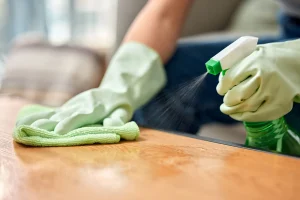
• improved control of sensitive or high touch areas
• reduced safety hazards around equipment and busy zones
• support for compliance requirements through consistent routines
• less downtime and smoother daily operations across all sectors
These results help businesses maintain safer, cleaner, and more efficient environments. If a company wants recommendations that match its industry, it can contact the team to build a cleaning program that supports its needs.