Industrial and office environments may seem similar at a glance, but their cleaning needs are entirely different. Factors such as equipment hazards, safety protocols, workflow disruptions, and compliance requirements shape how each environment must be serviced. Eshine Cleaning Services supports a wide range of local facilities, and understanding these differences helps Winnipeg businesses choose a cleaning strategy that matches their operational needs and risk levels. This breakdown shows why industrial cleaning Winnipeg procedures require a separate approach from standard office maintenance.
Why Industrial Cleaning Demands a Different Strategy in Winnipeg
Industrial spaces operate with heavy machinery, production lines, storage systems, and specialized materials that create hazards not found in offices. These environments generate dust, oils, debris, and residue that require stronger products, advanced equipment, and trained technicians. Office cleaning is focused on presentation, sanitation, and occupant comfort, while industrial cleaning centers on safety, equipment integrity, and compliance. These commercial cleaning differences influence how tasks are scheduled, how teams prepare, and how disruptions are minimized in active work zones. Businesses comparing cleaning providers can review the homepage for Eshine’s Floor care service to understand their full capabilities.
Key Differences in Safety Requirements Between Industrial and Office Cleaning
Safety is the largest dividing factor between these environments. Industrial facilities require workers to follow strict protocols around personal protective equipment, chemical handling, and hazard identification. Teams must navigate moving forklifts, electrical systems, heavy machinery, and restricted access zones. WHMIS training, lockout awareness, and hazard communication are part of every shift. Office settings, by comparison, involve lower risk and focus on safe product handling, disinfecting surfaces, and maintaining clean shared spaces. This contrast highlights why industrial cleaning Winnipeg services require enhanced training and site specific instruction.
Specialized Equipment Used in Industrial Cleaning
Industrial facilities produce residues that cannot be removed with standard office tools. Heavy duty scrubbers tackle warehouse floors, while high filtration vacuums capture fine dust in manufacturing spaces. Degreasers, extraction systems, and commercial grade chemicals handle oils and production buildup. These tools support deeper facility maintenance Winnipeg requirements and reduce risks associated with slipping hazards, dust accumulation, or equipment malfunction. Office cleaning typically relies on lighter tools designed for carpets, workstations, and general sanitation.
Compliance, Regulations, and Site Protocols in Winnipeg Industrial Facilities
Industrial cleaning teams follow provincial and site level compliance requirements that exceed typical office expectations. Winnipeg facilities often require orientation sessions, security clearance, equipment operation awareness, and documentation before work begins. WHMIS regulations apply to chemical use, and certain industries impose additional safety certifications. These tasks ensure technicians understand the environment and can operate safely around machinery, production workflows, or high hazard areas. Office cleaning does not require this level of compliance because the environment is designed for low risk occupancy.
How Office Cleaning Priorities Differ From Industrial Settings
Office environments prioritize daily presentation, sanitation, and occupant health. Tasks such as vacuuming, disinfecting high touch surfaces, cleaning washrooms, and maintaining meeting spaces form the core of office routines. These tasks target cleanliness and comfort rather than hazard mitigation. Industrial cleaning focuses on removing production related contaminants, maintaining equipment areas, controlling dust, and supporting safety inspections. These commercial cleaning differences shape everything from scheduling to equipment selection.
Facility Maintenance Winnipeg Considerations for Different Building Types
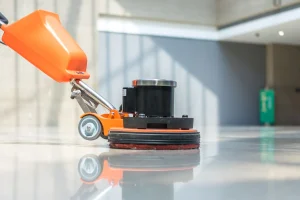
Winnipeg’s climate affects both industrial and office spaces, but the impact is more significant in industrial facilities. Dust movement increases in large buildings with open bays, while winter moisture and salt tracking create slip risks and accelerate floor deterioration. Inventory areas, loading docks, and production corridors require targeted care based on seasonal patterns. Office spaces still experience weather related challenges, but the scale and intensity differ widely. Effective facility maintenance Winnipeg planning must adapt to building type, traffic flow, and operational demands.
Matching the Service Approach to Each Environment
Industrial cleaning requires tailored strategies that match the specific processes and hazards of the space. Schedules may revolve around production downtime, material handling cycles, or maintenance windows. Office cleaning follows predictable routines and focuses on maintaining a consistent appearance. Providers that understand these environments adjust their staffing, tools, and products to fit the building’s purpose. Businesses evaluating options can explore Eshine’s industrial cleaning services to find solutions aligned with their safety and operational needs.
Work With a Team Experienced in Both Industrial and Office Environments
Choosing a cleaning partner with experience across various facility types ensures consistent standards and safer outcomes. Teams trained in industrial cleaning Winnipeg practices understand compliance, equipment hazards, and site protocols. Office environments benefit from reliable routines and detailed sanitation procedures that support employee health. To coordinate services or get a free quote, businesses can connect with Eshine Cleaning Services and build a plan tailored to their facility type and workflow.
Key Differences at a Glance
- Industrial cleaning in Winnipeg requires specialized PPE, WHMIS training, and hazard awareness due to machinery, chemicals, and active production zones.
- Office cleaning focuses on sanitation, presentation, and routine touchpoint disinfection for daily employee comfort.
- Facility maintenance Winnipeg demands shift with winter salt, ice melt residue, moisture tracking, and dust accumulation in large buildings.
- Industrial equipment requires degreasers, auto scrubbers, extraction systems, and high filtration vacuums to manage oils, debris, and airborne particulates.
- Office environments use lighter products designed for carpets, electronics, and shared workspaces.
- Industrial cleaning includes tasks like spill cleanup, equipment area detailing, high reach dust removal, and degreasing processes.
- Compliance requirements such as SDS awareness, orientation sessions, and site protocols apply to industrial settings but not typical office spaces.
- Commercial cleaning differences affect scheduling because industrial facilities clean during production downtime, while offices follow daily or nightly routines.
- Liability and safety risks are higher in industrial settings, requiring trained technicians and documented procedures.
- Effective facility maintenance reduces hazards, preserves equipment, and supports long term operational efficiency.