Industrial facilities in Winnipeg operate under very different expectations than offices or retail spaces. Cleanliness is not about appearance alone, it directly affects worker safety, equipment performance, and regulatory compliance. In many cases, facilities can technically be “cleaned” yet still fail to meet the standards required for safe and efficient operation. From production floors to loading docks, Eshine Cleaning Services often sees that misunderstandings around industrial cleaning standards create avoidable risks.
Why Cleaning Standards Matter More Than Frequency
In industrial settings, how well an area is cleaned matters far more than how often it is cleaned. A space can be cleaned daily and still pose safety or compliance issues if critical hazards are not addressed.
Industrial cleaning standards are designed to:
- Reduce slip, trip, and fall risks
- Control dust, debris, and airborne contaminants
- Maintain safe access to equipment and exits
- Support inspections and audits
Frequency should be based on risk level and operational impact, not routine schedules alone.
How Winnipeg Industrial Facilities Differ From Commercial Spaces
Industrial Winnipeg facilities face unique challenges due to heavier equipment, material handling, and environmental conditions. Dust, oils, metal shavings, and debris accumulate faster and present higher risks than in standard commercial environments.
Cold winters also introduce additional concerns such as tracked-in moisture, salt residue, and temperature-related buildup that can affect both floors and machinery.
Safety-Driven Cleaning Expectations
Safety is the primary driver behind most industrial cleaning standards. Cleaning efforts focus on eliminating hazards rather than improving appearance.
Key safety expectations include:
- Immediate removal of spills, oils, and lubricants
- Dust control to prevent respiratory exposure and visibility issues
- Clear walkways, exits, and emergency access points
- Non-slip floor conditions in high-traffic areas
Failure to address these areas can result in workplace incidents and regulatory violations.
Operational Cleanliness and Equipment Performance
Cleanliness also plays a direct role in how well equipment and processes function. Dust and debris buildup can interfere with sensors, moving parts, and airflow.
Operational cleaning standards typically focus on:
- Keeping machinery free of excessive dust and residue
- Preventing debris accumulation near motors and electrical components
- Maintaining clean production areas to reduce contamination risks
- Supporting consistent production flow
This level of cleaning often requires specialized methods rather than standard janitorial routines.
Compliance and Inspection Readiness
Industrial facilities are subject to safety inspections and audits that assess more than visual cleanliness. Inspectors look for conditions that could lead to injury, equipment failure, or environmental concerns.
Cleaning standards support compliance by:
- Reducing documented hazards
- Maintaining safe working conditions
- Demonstrating proactive facility management
Facilities that fall out of compliance often do so because cleaning did not address high-risk areas consistently.
Typical Cleaning Standards by Facility Area
Different zones within an industrial facility require different levels of cleaning.
| Facility Area | Cleaning Standard Focus | Primary Risk |
| Production Floors | Dust, debris, spill control | Slips, equipment interference |
| Warehousing Areas | Clear aisles, pallet debris removal | Trip hazards, blocked access |
| Mechanical Rooms | Dust and residue control | Equipment overheating |
| Loading Docks | Debris, moisture, and salt removal | Vehicle and pedestrian safety |
This is where industrial cleaning services differ significantly from general commercial cleaning.
General Cleaning vs Industrial-Grade Cleaning
General cleaning focuses on surface appearance and routine tasks. Industrial-grade cleaning addresses contamination, safety hazards, and operational impact.
Professional industrial facility cleaning is designed to manage heavy debris, oils, dust, and residues that standard cleaning methods cannot safely or effectively handle.
Common Gaps That Put Facilities at Risk
Many facilities believe they are meeting standards until an incident or inspection reveals otherwise. Common gaps include:
- Ignoring high-level dust accumulation

- Failing to clean under and around equipment
- Treating industrial spaces like office environments
- Relying on untrained staff for hazardous cleanup
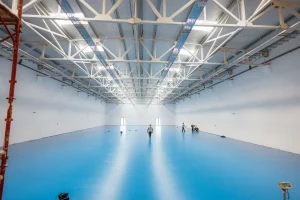
Addressing these gaps early reduces risk and downtime.
When Professional Industrial Cleaning Is Required
When safety risks, heavy debris, or compliance concerns are present, professional support becomes essential. Experienced providers like Eshine industrial cleaning team understand how to clean industrial environments without disrupting operations or introducing new hazards.
Maintaining Standards Over Time
Maintaining industrial cleaning standards requires ongoing assessment rather than fixed routines. Adjusting cleaning scope based on production changes, seasonal conditions, and inspection feedback helps facilities stay compliant and operational.
For facility managers seeking guidance on meeting industrial cleaning expectations in Winnipeg, the industrial cleaning support team can help align cleaning practices with safety and compliance