General cleaning typically focuses on basic maintenance and surface-level upkeep. In contrast, commercial cleaning involves structured service plans designed to meet operational, safety, and compliance requirements in business environments. When household-style methods are used in commercial settings, crucial elements such as hygiene control, risk reduction, and facility readiness may be missed. Eshine Cleaning Services delivers solutions tailored to businesses where standard cleaning is not sufficient.
Why Commercial Cleaning Requires a Different Approach
While basic tasks may keep surfaces visually clean, business environments benefit from trained technicians using commercial-grade tools and planned service routines. Working with professional commercial cleaning specialists helps align cleaning operations with daily activity and compliance expectations. Additionally, services are often scheduled outside business hours to avoid employee interruption and maintain service accessibility.
General Cleaning vs Commercial Cleaning: Key Differences
General cleaning maintains surface appearance. Commercial cleaning goes further by integrating structured planning, defined operational procedures, and higher equipment capability. For example:
• Task sequencing based on facility use
• Maintenance scheduling aligned with peak and low activity hours
• Use of industrial-grade machines
• Service tracking and quality documentation
As a result, business environments gain predictable cleaning outcomes rather than relying solely on visual results.
Standards, Compliance, and Industry Expectations
Cleaning in commercial settings may involve meeting health, occupational safety, or internal auditing requirements. Because of this, Eshine Cleaning Services designs cleaning strategies that support compliance, reduce operational risk, and enhance property presentation.
Equipment and Techniques Used in Commercial Cleaning
Household tools often lack the power needed for commercial environments. Professional cleaning teams may use high-capacity scrubbers, HEPA filtration, and approved cleaning solutions suited to floor material and usage. Businesses looking for measurable results often rely on commercial cleaning services to support performance and longevity.
Why Businesses Need Structured Cleaning Programs
Cleaning plans tailored to business operations extend material condition, promote workplace safety, and support staff and customer comfort. Additionally, routine programs help reduce emergency interventions caused by neglected maintenance.
When to Use a Commercial Cleaning Provider
Professional cleaning should be considered when general cleaning does not deliver acceptable hygiene or presentation levels. It is particularly relevant when: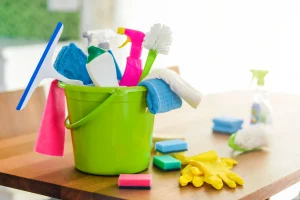
• Regulatory standards affect day-to-day operations
• Areas receive frequent visitor or staff traffic
• Documentation and validation are expected
• Surface types require advanced methods
Questions to Help Determine If Commercial Cleaning Is Needed
• Are compliance or inspection requirements present?
• Does the space include sensitive materials or equipment?
• Could visual and hygiene appearance impact business outcomes?
• Can cleaning be completed after operational hours?
• Is there value in tracking or auditing cleaning performance?
Final Steps to Implement a Professional Cleaning Solution
When commercial needs exceed general upkeep, working with a structured provider helps maintain facility standards and reduce long-term risk. To review commercial cleaning options tailored to your business, you can request a commercial cleaning quote directly.