Running a restaurant in Winnipeg requires maintaining a kitchen that meets strict sanitation standards. Kitchen cleanliness directly affects food safety, staff productivity, inspection outcomes, and operational costs. Daily wipe downs and staff cleaning routines address surface level debris, but they do not replace structured professional commercial kitchen cleaning. Eshine Cleaning Services provides comprehensive restaurant kitchen cleaning that helps Winnipeg establishments stay compliant, safe, and inspection ready.
Why Professional Kitchen Cleaning Matters for Restaurants
Busy commercial kitchens accumulate grease, food particles, moisture, and bacteria throughout each service period. High heat cooking equipment, heavy foot traffic, and continuous food preparation create buildup in areas that daily cleaning often misses.
Professional kitchen cleaning matters because it:
- Removes grease accumulation that increases fire and slip risk
- Reduces bacterial growth in high contact zones
- Supports consistent food safety standards
- Helps restaurants pass municipal and provincial health inspections
Health inspectors evaluate visible cleanliness, sanitation procedures, and grease management. A structured cleaning program reduces inspection stress by maintaining consistent standards rather than reacting before a visit.
What Areas Must Be Cleaned?
A commercial restaurant kitchen includes multiple high risk zones that require systematic cleaning. Cleaning must extend beyond visible counters to include surfaces that accumulate hidden grease and residue.
Food Prep and Work Surfaces
Counters, cutting boards, and stainless steel preparation stations must be cleaned and disinfected to eliminate bacteria and cross contamination risk. Professional cleaning ensures residue does not build up in seams, edges, or undersides of prep tables.
Dish Pits and Sinks
Dishwashing areas collect grease, soap residue, and food particles. These zones require thorough scrubbing and sanitizing to prevent bacterial growth and unpleasant odors that can spread throughout the kitchen.
Floors and Baseboards
Kitchen floors accumulate grease mist, spills, and tracked debris during service. Wet vacuuming and targeted washing remove buildup that creates slip hazards. Baseboards also collect grease and moisture, particularly behind cooking equipment and near prep lines.
Walls and Backsplashes
Walls and backsplashes near grills, fryers, and prep stations collect splatter and grease vapor. Professional cleaning removes accumulated residue that daily wiping cannot fully eliminate.
Appliances and Equipment Exteriors
Ranges, ovens, grills, fryers, refrigeration units, and prep equipment require degreasing of exterior surfaces. Grease buildup on equipment not only affects hygiene but can also shorten equipment lifespan.
Metal Racks and Storage Areas
Shelving, storage racks, and dry goods areas require cleaning to prevent dust and grease transfer onto cookware and food containers. Regular sanitation protects stored items from contamination.
Trash Containers and Waste Areas
Waste bins and disposal zones accumulate organic material and moisture. Detailed cleaning reduces odor, bacterial hotspots, and pest attraction.
How Kitchen Cleaning Supports Compliance
Professional kitchen cleaning supports compliance by maintaining documented sanitation standards that align with provincial and municipal health regulations. Inspectors look for visible cleanliness, grease control, and evidence of consistent maintenance.
A professionally maintained kitchen demonstrates:
- Adherence to sanitation protocols
- Proper grease management
- Clean food preparation zones
- Reduced contamination risk
By maintaining these standards continuously, restaurants reduce the risk of citations and operational interruptions during inspections.
Daily vs Deep Cleaning in Commercial Kitchens
Daily cleaning performed by staff typically includes wiping prep surfaces, sweeping floors, emptying trash bins, and cleaning immediate spill areas. These tasks maintain basic hygiene but do not address embedded grease, behind equipment buildup, or hard to reach surfaces.
Professional deep cleaning differs because it uses commercial grade equipment and structured procedures to remove accumulated grease, sanitize hidden surfaces, and restore high traffic areas. Deep cleaning targets long term buildup that daily routines cannot eliminate.
This distinction allows restaurant managers to maintain daily standards while scheduling periodic professional cleaning for comprehensive sanitation.
Scheduling Commercial Kitchen Cleaning
How often a kitchen should be professionally cleaned depends on restaurant size, menu type, cooking intensity, and inspection history.
High volume kitchens with heavy frying operations often require more frequent professional cleaning than smaller establishments with lighter cooking loads. Common scheduling intervals include:
- Weekly or biweekly for high grease environments
- Monthly for moderate volume kitchens
- Quarterly for lower intensity operations
Seasonal business fluctuations and inspection cycles may also influence frequency. Restaurants can review service planning details through the Eshine Cleaning Services website to evaluate structured cleaning options.
Choosing a Cleaning Partner That Understands Restaurant Needs
Restaurant kitchens operate under strict timelines and compliance requirements. A cleaning partner must understand food safety expectations, grease management standards, and operational sensitivity during service hours.
When selecting a provider, restaurant owners should evaluate: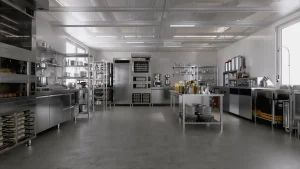
- Experience with commercial kitchens
- Knowledge of health inspection standards
- Appropriate degreasing equipment
- Flexible scheduling to avoid service disruption
Maintaining an inspection ready kitchen protects both staff and customers while reducing operational risk. Restaurants seeking structured kitchen cleaning can request a quote directly through the restaurant cleaning inquiry page to review scheduling and scope requirements.
A comprehensive commercial kitchen cleaning program supports food safety, protects equipment, and reinforces compliance in Winnipeg restaurants.