Cleaning requirements for Winnipeg restaurants and commercial kitchens are defined by sanitation standards, operational safety, and ongoing inspection readiness. Food service environments operate under conditions that accelerate contamination, including heat, moisture, and continuous food handling. These factors require cleaning systems that go beyond surface-level maintenance.
In Winnipeg kitchens, seasonal factors such as tracked-in moisture, salt, and debris increase contamination levels across floors and preparation areas. Over time, residue builds across surfaces, equipment, and flooring, creating both sanitation risks and operational inefficiencies. At Eshine Cleaning Services, commercial kitchen cleaning is structured to support restaurant operators who need consistent, repeatable cleaning aligned with daily service demands.
Why Commercial Kitchens Require Strict Cleaning Standards
Commercial kitchens must maintain strict cleaning standards because contamination can occur at multiple points within the workflow. Raw food handling, preparation, cooking, and service all introduce variables that can compromise surface cleanliness if not controlled.
Cleaning in this environment is not cosmetic. It directly affects food safety, inspection outcomes, and how efficiently the kitchen operates under daily pressure.
Food Safety and Sanitation
Food safety depends on maintaining surfaces that do not transfer contaminants between ingredients or preparation stages. This includes prep counters, utensils, sinks, and storage areas where cross-contact can occur.
Sanitation requires more than removing visible residue. Surfaces must be cleaned at the right intervals to reduce contamination risk during active use, not just after service has ended.
Grease and Residue Removal
Grease and food residue accumulate continuously during cooking operations. These materials settle onto surfaces and gradually build into layers that become harder to remove if not addressed consistently.
This buildup creates multiple issues at once. It affects hygiene, increases slip risk on floors, and can interfere with equipment performance. Managing residue early prevents it from becoming a larger operational problem.
Compliance With Local Health Standards
Commercial kitchens in Winnipeg are evaluated based on whether cleaning practices are consistent and properly applied. Inspections focus on how the kitchen is maintained day to day, not just how it looks at a single point in time.
Kitchens that rely on reactive cleaning often develop issues in less visible areas. Maintaining compliance requires cleaning to be part of the workflow, not a separate task.
Preventing Cross Contamination
Cross contamination occurs when bacteria or residue transfer between surfaces, tools, or food types. This risk increases when cleaning is delayed between tasks or when surfaces are reused without proper reset.
Preventing this requires immediate cleaning between stages of food handling and clear separation of work areas. In practice, cleaning must move at the same pace as kitchen operations.
Areas That Require Daily Cleaning
Daily cleaning focuses on areas where contamination risk is highest and where buildup occurs most quickly. These areas require consistent attention throughout the day, not just at closing.
| Kitchen Area | Cleaning Frequency |
| Food preparation surfaces | After each use and end of day |
| Cutting boards and utensils | After each use |
| Sinks and washing stations | Multiple times daily and end of shift |
| Floors in cooking and prep areas | Daily, with spot cleaning during service |
| Storage shelves and refrigeration handles | Daily contact point cleaning |
| Waste and disposal areas | Daily cleaning and removal |
High Contact Surfaces
Handles, switches, prep tables, and equipment controls are touched constantly throughout service. Even when they appear clean, they can transfer contamination between staff and work areas if not cleaned regularly.
Consistent attention to these surfaces reduces hidden contamination risks that build during peak hours.
Food Preparation Zones
Preparation areas must be cleaned between uses, especially when switching between raw and ready-to-serve food. This is one of the most important control points in kitchen sanitation.
When this step is missed, contamination can carry forward into the next stage without being visible.
Floor and Drain Areas
Floors and drains collect grease, debris, and moisture throughout the day. If not cleaned properly, they become both a hygiene issue and a safety concern.
Regular cleaning prevents buildup from spreading to surrounding areas and keeps working conditions stable.
Preparing for Health Inspections
Health inspections assess whether cleaning is consistent across all areas of the kitchen. Inspectors look for signs that sanitation is part of daily operations rather than something done occasionally.
Kitchens that maintain structured routines are typically inspection-ready at all times. Those that rely on periodic cleaning often show gaps in overlooked areas.
What Inspectors Typically Look For
Inspectors focus on key indicators that reflect overall sanitation:
- Clean food contact surfaces with no residue
- Absence of grease buildup in work areas
- Proper waste handling and disposal
- Clean and maintained floors
- Organized, contamination-free storage
These factors indicate whether cleaning is consistent or reactive.
Common Inspection Failures
Inspection failures usually come from repeated small gaps rather than major issues. Common problems include residue buildup in corners, inconsistent cleaning of high-contact surfaces, and poor separation between raw and prepared food areas. These issues develop gradually when cleaning routines are not maintained consistently.
Maintaining Inspection Readiness
Inspection readiness depends on consistency. Kitchens that clean continuously throughout service avoid the buildup that leads to compliance issues.
A simple operational checklist helps maintain standards:
- Surfaces cleaned between tasks
- Floors kept free of grease buildup
- Equipment maintained throughout the day
- Waste removed and managed consistently
Deep Cleaning Requirements for Commercial Kitchens
Daily cleaning does not reach every area of a kitchen. Over time, residue builds in locations that require more thorough attention. Deep cleaning addresses these areas before buildup affects overall sanitation.
When Deep Cleaning Is Required
Deep cleaning is required when daily maintenance is no longer sufficient to control buildup. This is often identified through persistent residue, odors, or declining surface condition. Delaying deep cleaning increases the effort required and can impact both sanitation and equipment performance.
Areas Typically Included in Deep Cleaning
Deep cleaning focuses on areas that are not easily accessed during regular operations. These include:
- Behind and beneath equipment
- Wall surfaces near cooking areas
- Detailed floor edges and corners
- Storage shelving and less visible zones
These areas accumulate residue slowly and must be addressed periodically to maintain full kitchen cleanliness.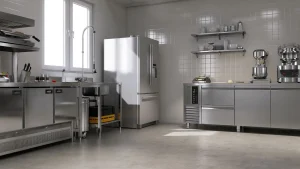
Choosing a Commercial Kitchen Cleaning Provider in Winnipeg
Selecting a commercial kitchen cleaning provider involves understanding how cleaning will fit into the kitchen’s workflow. The goal is to maintain sanitation without interrupting service.
What to Evaluate in a Cleaning Provider
A suitable provider should have experience with commercial kitchens, understand contamination risks, and deliver consistent results over time. Cleaning must align with both sanitation standards and operational needs.
Aligning Cleaning With Kitchen Operations
Cleaning should be scheduled and performed in a way that supports kitchen activity. This typically means working around service hours and coordinating with staff to avoid disruption.
Eshine Cleaning Services provides commercial kitchen cleaning in Winnipeg designed to align with restaurant operations, ensuring sanitation requirements are maintained without interrupting daily service.